AI in CAD: the real change is in the feature tree
From generating a shape to building an editable engineering model. Understanding AI CAD starts with the gap between geometry, parameters and design intent.
At the intersection of AI and CAD
Explore the future of engineering
A global view of what comes next in intelligent design.
AI · CAD · ENGINEERING
From generating a shape to building an editable engineering model. Understanding AI CAD starts with the gap between geometry, parameters and design intent.
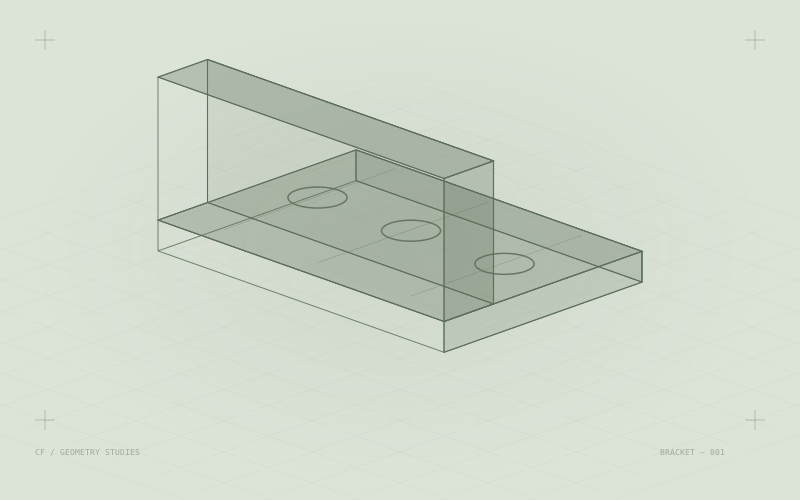
Neutral formats move geometry between systems; feature history shapes what can be changed next. The same solid can have very different modeling histories.
A successful tool call is only a starting point. Turning design requirements into checkable conditions gives long-running CAD agents a basis for reliable execution.
From repeated clicks to explicit rules: how Onshape makes custom features part of parametric modeling.
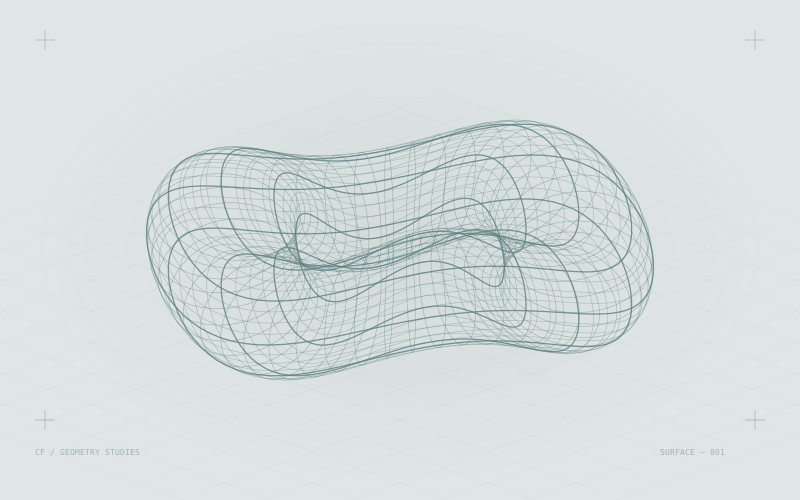
How do vertices, edges, faces and solids fit together? Boundary representation helps explain the different roles of CAD data and visualization meshes.
From inputs and outputs to validation and delivery: build an evaluation that an engineering team can actually run.